

4 Reasons Why Tennis Needs Pickleball to Thrive
- Tom Kiat
- Nov 1, 2024
- 2 min read

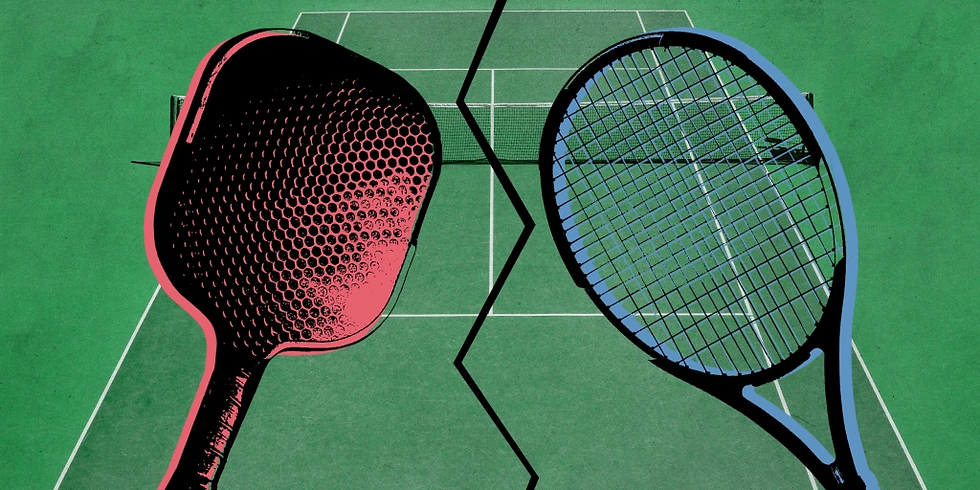
Pickleball is often seen as the "younger sibling" of tennis, rapidly growing in popularity across the world. While some might view the rise of pickleball as a threat to traditional tennis, it's quite the opposite. Here's why tennis needs pickleball to not just coexist, but to thrive alongside it.
1. Bringing New Players to the Court
Cross-Training Benefits: Pickleball introduces people to the joy of racket sports without the steep learning curve that tennis can present. Many who start with pickleball eventually become curious about tennis, especially since the skills can be transferable.
Gateway Sport: For those who find tennis intimidating due to its size, pace, or learning complexity, pickleball offers a more accessible entry point. This can lead to a natural progression where players build confidence and eventually try tennis.
2. Revitalizing Tennis Communities
Shared Facilities: Many tennis clubs are incorporating pickleball courts into their facilities to attract a wider range of players. This not only brings more people into tennis clubs but also helps maintain and improve facilities with the increased membership fees and usage.
Increased Revenue Streams: By hosting both pickleball and tennis events, clubs can generate more revenue, which can be used to support tennis programs, including youth development and coaching initiatives.
3. Appealing to Different Age Groups
Inclusivity: Pickleball is known for its appeal across all ages, particularly attracting older adults who may find the physical demands of tennis too strenuous. By offering both sports, clubs can cater to a broader demographic, ensuring that people remain active within the racket sports community regardless of age.
Family-Friendly Environment: With pickleball being a sport that families can easily play together, it creates a more inclusive environment that encourages multi-generational participation. This sense of community can translate into a shared interest in tennis.
4. Promoting a Lifetime of Play
Longevity in Sports: Tennis is often considered a lifelong sport, but its physical demands can sometimes limit long-term play. Pickleball serves as a less physically demanding alternative, allowing players to remain active in racket sports even if they transition away from tennis as they age.
Sustained Interest: By promoting both sports, players can switch between tennis and pickleball depending on their physical ability, interest, and social preferences. This keeps people engaged in racket sports for life, rather than phasing out due to the physicality of tennis alone.
In short, the growth of pickleball can actually fuel the tennis community, bringing in new players, revitalizing clubs, and promoting a culture where racket sports thrive together.


Comments